Book talks
Purpose
Students share their reading while gaining new perspectives on the text by listening to others' interpretations. This strengthens their reading comprehension and makes reading more engaging through dialogue and reflection.
Preparation
Choose a text from a fiction book appropriate for the age group and suitable for discussion.
Please use a book that is also available as an easy read as students will be working independently and the reading level of the class may vary.
Pupils should have access to paper and pencil to write logs and notes during the reading.
The exercise can be divided into 2 or 3 lessons depending on the book and needs.
Procedure
You can read aloud to the students to introduce the exercise. Read a chapter or a short part of the text.
Stop and talk about what comes to mind.
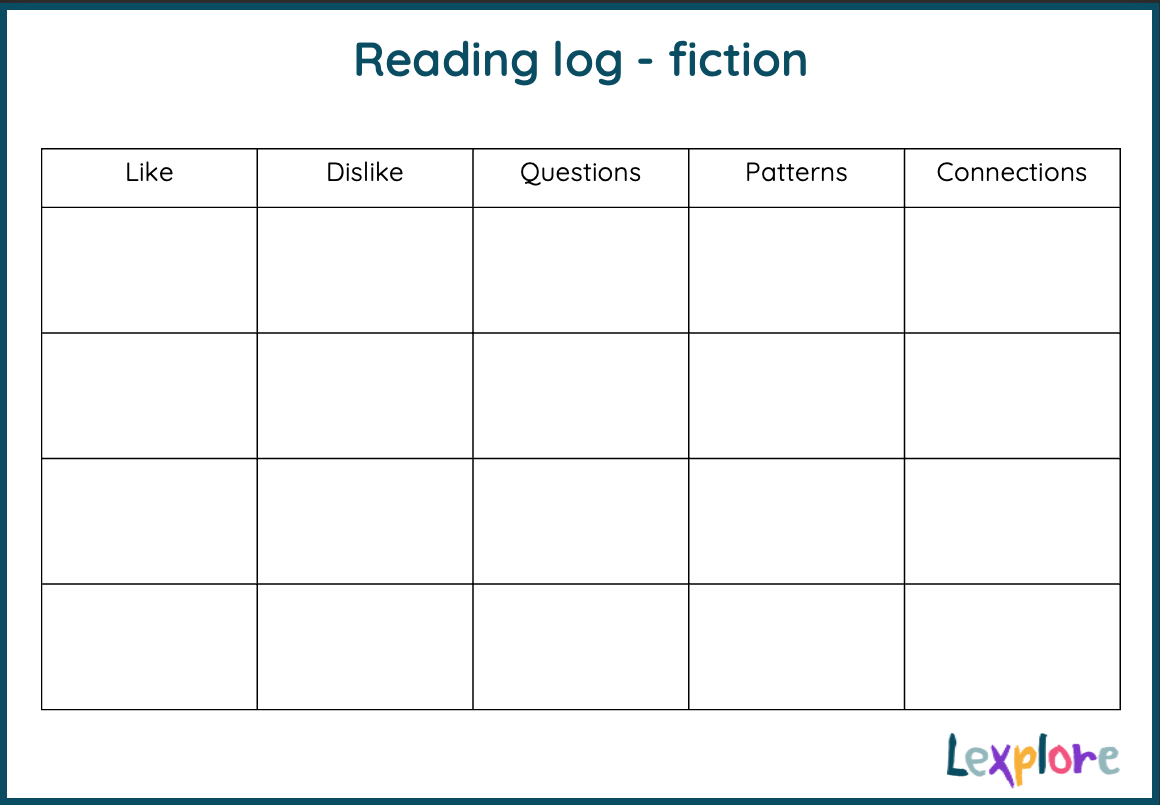
The questions below can serve as a guide for the conversation and can run as a common thread throughout the reading:
What do you like about the text?
What do you dislike about the text?
Are any words or paragraphs difficult to understand?
Have you found any repetitions (patterns) in the text?
Have you experienced any of the events in the text yourself, or have you read about them in another text, or perhaps heard about them happening in real life (connections)?
Let students discuss in small groups what they reacted to during their reading. Give them time to discuss their thoughts and ideas, and encourage them to share their interpretations and connections to the text.
Reading stops
*Reading stop - When reading a longer novel with your students, you may not want to stop at every chapter, but instead have students read several chapters before discussing what they have read. You can then divide the novel into reading stops, where you decide which chapters should be read by which dates. For example, a 140-page book can be divided into 7 reading sessions. In this case, students will read about 20 pages at a time.
To help students remember their reactions, it's a good idea to have them write notes or a log, as it's called, as they read.
Writing a log
To help students remember their reactions and thoughts while reading, it is helpful if they write notes or logs. Start by reading a chapter aloud and then modelling how to write a log. Show students how to make notes about what you like about the text, what is difficult to understand, or what is interesting to reflect on. Involve students as you think aloud and fill in the log.
Once you have modelled it once, students, in pairs, can create logs for the following chapters.
Reflection
After you have finished reading the text, gather the students and discuss the pictures. Let them present their thoughts to the class or in small groups and explain their reactions and interpretations.
Discuss together
How have you interpreted the text?
Are there other ways of interpreting the same text?
What do you think of others' interpretations, and how do they differ from your own?
Supporting questions
What do you think of the text so far?
Have you encountered anything that seems difficult or confusing?
Has anything in the text triggered thoughts or connections to your own life?
Are there any patterns or repetitions in the text?